
Cap drill manuals are essential for safe and efficient drilling, guiding CAP members through procedures and ensuring operational standards are consistently met․
Purpose and Scope of the Manual
This manual serves as the definitive guide for all Civil Air Patrol (CAP) members involved in cap drill activities, establishing standardized procedures for effective and safe operation․ Its primary purpose is to detail the correct execution of drill maneuvers, encompassing formations and techniques applicable across diverse terrains․
The scope extends to outlining essential safety protocols, including Personal Protective Equipment (PPE) requirements, hazard identification, and emergency response procedures․ Furthermore, it details equipment inspection, maintenance, and proper handling, alongside leadership responsibilities and communication strategies․ This ensures consistent training and operational readiness within the CAP organization․
Historical Development of Cap Drill Regulations
Cap drill regulations evolved alongside the Civil Air Patrol’s mission, initially focusing on military-style precision for emergency services support․ Early iterations, dating back to the organization’s founding, emphasized discipline and coordinated movement, mirroring wartime protocols․
Over time, regulations adapted to incorporate advancements in safety and training methodologies․ The introduction of Remote Controlled Systems (RCS) necessitated new guidelines for operation and switching between machine types․ Modern regulations prioritize HSEQ (Health, Safety, Environment, and Quality) standards, reflecting a commitment to occupational health and risk elimination, particularly concerning Class 1 risks․
Types of Cap Drill
Cap drill encompasses standard formations, advanced maneuvers, and adaptations for varied terrains, ensuring CAP members are prepared for diverse operational scenarios․
Standard Cap Drill Formations
Standard cap drill formations are the foundational building blocks of precision movement and discipline within the Civil Air Patrol․ These formations, meticulously practiced, instill teamwork and adherence to command structure․ Common formations include the line formation, ideal for inspections and parades, and the wedge formation, utilized for swift, directed movement․ The echelon formation provides a visual representation of rank and order, while the box formation demonstrates compactness and control․
Mastering these formations requires precise spacing, synchronized steps, and unwavering attention to detail․ Drill instructors emphasize proper bearing, saluting protocols, and responsive execution of commands․ Consistent practice builds muscle memory and fosters a sense of collective pride, essential for representing the CAP with professionalism and honor․
Advanced Cap Drill Maneuvers
Advanced cap drill maneuvers build upon foundational formations, demanding heightened precision and coordination․ These complex movements, such as flanking maneuvers and rotating columns, showcase a unit’s mastery of drill technique․ Oblique marches and counter marches require cadets to maintain alignment while changing direction, testing their spatial awareness and responsiveness․
The execution of these maneuvers necessitates seamless communication and anticipation between team members․ Drill instructors focus on refining timing, ensuring crisp transitions, and maintaining a unified appearance․ Successfully performing advanced maneuvers demonstrates a commitment to excellence and a deep understanding of drill principles, elevating the overall performance and presentation of the CAP unit․
Cap Drill for Different Terrains
Cap drill adaptability is crucial when operating across varied terrains․ Drills on uneven ground require adjusted footwork and increased concentration to maintain formation integrity․ Navigating slopes demands modified marching techniques to prevent slippage and ensure stability․ Cadets must learn to compensate for environmental factors, maintaining precision despite challenging conditions․
Drill instructors emphasize techniques for adapting formations to suit the landscape, prioritizing safety and visual appeal․ Training includes drills on grass, gravel, and paved surfaces, preparing cadets for diverse operational environments․ Mastering terrain adaptation demonstrates a unit’s resilience and commitment to performing flawlessly regardless of external challenges․
Cap Drill Safety Protocols
Cap drill safety prioritizes PPE, hazard identification, and emergency procedures, ensuring cadet well-being during all drill activities and operations․
Personal Protective Equipment (PPE) Requirements
CAP drill participation necessitates strict adherence to PPE guidelines, safeguarding cadets from potential hazards․ Mandatory equipment includes appropriate footwear, ensuring stable footing during dynamic maneuvers․ Protective eyewear is crucial, shielding eyes from debris and impacts․ Gloves offer hand protection, preventing abrasions and enhancing grip․
Depending on the drill environment, additional PPE may be required, such as helmets for overhead protection or high-visibility vests for enhanced visibility․ Regular inspection of all PPE is paramount, ensuring functionality and identifying any damage․ Proper fit is also essential; ill-fitting equipment compromises safety․ CAP leadership is responsible for enforcing PPE compliance, fostering a culture of safety consciousness among all participants․
Hazard Identification and Risk Assessment
A cornerstone of CAP drill safety is proactive hazard identification and thorough risk assessment․ Before any drill commences, a comprehensive evaluation of the drill area must be conducted, pinpointing potential dangers like uneven terrain, obstacles, or environmental factors․
Each identified hazard requires a corresponding risk assessment, evaluating the likelihood and severity of potential incidents․ Control measures, such as modifying drill patterns or providing additional supervision, are then implemented to mitigate these risks․ Regularly reviewing and updating these assessments is vital, adapting to changing conditions․ This systematic approach minimizes the potential for accidents and ensures a safe training environment for all CAP cadets․
Emergency Procedures During Cap Drill
CAP drill manuals emphasize clearly defined emergency procedures to address unforeseen incidents swiftly and effectively․ These protocols cover a range of scenarios, including injuries, equipment malfunctions, and sudden changes in weather conditions․

All CAP members must be familiar with the designated rally points, communication channels, and evacuation routes․ Immediate reporting of any incident to drill instructors is paramount․ First aid protocols, including basic life support, are integral to the response․ Regular drills simulating emergency situations reinforce preparedness and ensure a coordinated, calm reaction, minimizing potential harm and maximizing safety during training exercises․
Cap Drill Equipment and Maintenance
Cap drill manuals detail rigorous inspection and maintenance of drill caps and lifting equipment, ensuring safe operation and longevity of all tools․
Inspection and Maintenance of Drill Caps
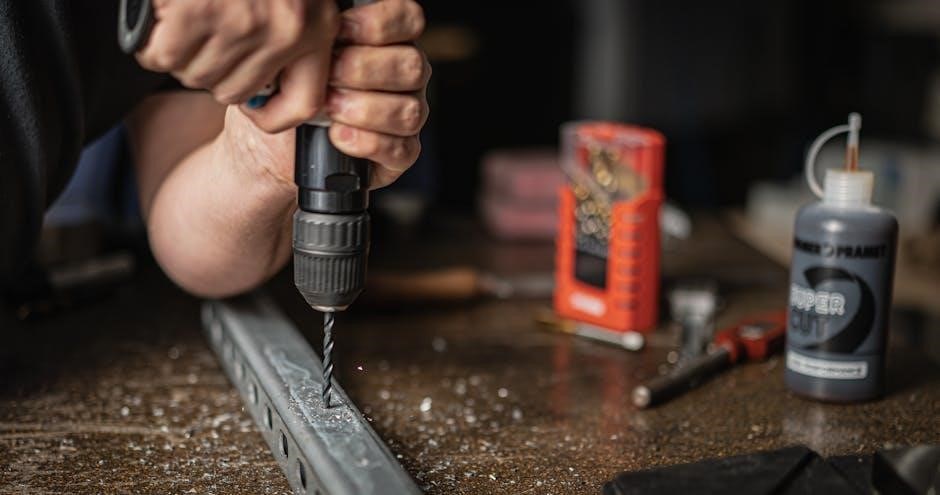
Cap drill manuals emphasize a systematic approach to inspecting drill caps before, during, and after operations․ This includes visual checks for wear, corrosion, and damage to threads and sealing surfaces․ Regular maintenance, as outlined in the manual, involves cleaning, lubrication, and timely replacement of worn components․
Detailed procedures cover torque specifications for proper installation and removal, preventing damage to both the cap and the drill string․ The manual also specifies intervals for non-destructive testing, such as magnetic particle inspection, to detect hidden flaws․ Proper record-keeping of all inspections and maintenance activities is crucial for tracking cap performance and ensuring continued safe operation․ Adherence to these guidelines extends the lifespan of the equipment and minimizes the risk of failures during critical drilling procedures․
Proper Storage and Handling of Equipment
Cap drill manuals detail strict protocols for the storage and handling of all drill equipment, prioritizing both safety and longevity․ Designated storage areas must be clean, dry, and protected from the elements to prevent corrosion and damage․ Lifting caps, specifically, require careful handling to avoid thread deformation or impact damage․
The manual outlines proper lifting techniques, emphasizing the use of appropriate rigging and avoiding dragging or dropping equipment․ Secure stacking procedures are also specified to prevent instability and potential hazards․ Regular inventory checks are essential to ensure all components are accounted for and in good working order․ Following these guidelines minimizes equipment loss, reduces maintenance costs, and promotes a safe working environment․
Types of Lifting Caps for Drill Strings
Cap drill manuals categorize various tubular lifting caps designed for safe and secure handling of drill strings and downhole tools․ These caps are engineered to provide reliable lifting points, distributing weight evenly and preventing damage to the threaded connections․ Different types exist, including standard lift caps, shoulder caps for added stability, and specialized caps for specific tool geometries․
The manual details load ratings for each cap type, emphasizing the importance of selecting the appropriate cap based on the weight of the load․ Proper installation and inspection procedures are also outlined, ensuring a secure connection before lifting operations commence․ Utilizing the correct lifting cap is crucial for preventing accidents and maintaining operational efficiency․

Cap Drill Leadership and Command
Cap drill manuals define roles for drill instructors, establish a clear chain of command, and stress effective communication for successful operations․
Roles and Responsibilities of Drill Instructors
Drill instructors, as outlined in Cap drill manuals, bear significant responsibility for the effective training and evaluation of CAP members․ Their core duties encompass demonstrating proper techniques, meticulously observing cadet performance, and providing constructive feedback to foster skill development․ They must enforce adherence to established safety protocols and drill regulations, ensuring a secure learning environment․
Furthermore, instructors are tasked with maintaining discipline, promoting teamwork, and instilling a sense of pride and professionalism within the cadet corps․ They serve as role models, embodying the values and standards of the Civil Air Patrol․ A thorough understanding of the drill manual is paramount for instructors to accurately convey information and assess competency․
Chain of Command During Cap Drill
The Cap drill manual meticulously details the established chain of command crucial for maintaining order and efficiency during drill exercises․ Typically, a Cadet Officer assumes overall command, responsible for directing the drill and ensuring adherence to regulations․ Beneath them, Non-Commissioned Officers (NCOs) assist in supervising and guiding cadet formations․
Clear communication flows downwards through this hierarchy, with instructions relayed from the commanding officer to the NCOs and ultimately to the cadets․ Cadets are expected to follow orders promptly and respectfully․ This structured system, as outlined in the manual, ensures accountability and facilitates effective execution of drill maneuvers, promoting discipline and teamwork․
Effective Communication Techniques
The Cap drill manual emphasizes the importance of precise and unambiguous communication during all drill activities․ Verbal commands must be delivered clearly, concisely, and with appropriate volume to ensure all CAP cadets understand instructions․ Standardized terminology, as defined within the manual, minimizes misinterpretation and promotes uniformity․
Beyond verbal commands, the manual also highlights the use of visual signals – hand gestures and formations – to reinforce instructions and maintain control․ Active listening and acknowledging receipt of commands are crucial for cadets․ Effective communication, as detailed in the manual, fosters a cohesive unit and ensures the successful execution of complex drill sequences․
Remote Controlled Systems (RCS) in Cap Drill
Cap drill manual details RCS-based drill rig operation, enabling remote control and seamless switching between various machine types for enhanced flexibility․
Operation of RCS-Based Drill Rigs
Cap drill manual procedures for RCS-based rigs emphasize pre-operational checks, confirming remote control functionality and communication links․ Operators must understand the system’s interface, mastering controls for precise movements and monitoring critical parameters like pressure and torque․
The manual details emergency shutdown protocols, ensuring swift responses to malfunctions․ Multiple rigs can operate remotely, demanding skilled coordination and adherence to safety guidelines․ Rig selection and configuration are outlined, allowing operators to switch between machine types efficiently․ Thorough training, as detailed in the cap drill manual, is crucial for safe and effective RCS operation, minimizing risks and maximizing productivity․
Switching Between Different Machine Types
The cap drill manual provides detailed procedures for transitioning between various RCS-based drill rig configurations․ This involves a systematic shutdown of the current machine, followed by a comprehensive system check before initiating the new rig․ Operators must verify compatibility of control parameters and safety interlocks for each machine type․
The manual stresses the importance of recalibrating sensors and adjusting operational settings to suit the specific rig․ Proper documentation of each switch is mandatory, ensuring traceability and accountability․ Thorough training, as outlined in the cap drill manual, is essential for minimizing downtime and maintaining operational efficiency during these transitions․

Health, Safety, Environment, and Quality (HSEQ) in Cap Drill
Cap drill manual prioritizes occupational health and safety, committing to eliminate Class 1 risks and uphold stringent HSEQ objectives consistently․
Commitment to Occupational Health and Safety
Cap drill manuals demonstrate an uncompromising dedication to the well-being of all personnel involved in drilling operations․ Capital Drilling, as an example, emphasizes a proactive approach, prioritizing the health and safety of employees and anyone within the work environment․ This commitment extends beyond mere compliance; it’s deeply ingrained in the company’s culture and operational procedures․
The manual reinforces a zero-tolerance policy for unsafe practices, promoting a culture where safety is everyone’s responsibility․ Continuous improvement is a key element, with regular reviews and updates to reflect best practices and lessons learned․ This dedication ensures a safe and productive work environment for all CAP members;
Golden Safety Rules and Class 1 Risk Elimination
Cap drill manuals highlight “Golden Safety Rules” designed to prevent severe injuries and incidents․ These rules address critical hazards, such as bypassing safety devices, unauthorized access to hazardous areas, and restricted zones around lifting equipment․ A core focus is eliminating “Class 1 Risks” – those with the potential for catastrophic consequences․
The manual emphasizes proactive hazard identification and risk assessment, empowering personnel to intervene and prevent unsafe situations․ Regular communication, including monthly CEO messages focusing on these rules, reinforces their importance․ This systematic approach ensures a safer working environment and minimizes the potential for serious harm during CAP drill operations․
Monthly Safety Focus Topics
Cap drill manuals incorporate monthly safety focus topics, underpinning the Golden Safety Rules and reinforcing the commitment to eliminating Class 1 Risks․ These topics provide targeted guidance on specific hazards relevant to current operations, ensuring continuous improvement in safety performance․
Each month’s focus encourages open communication and proactive hazard reporting․ The “Speak Up” initiative promotes a culture where personnel feel empowered to raise concerns without fear of reprisal․ This consistent, focused approach, detailed within the CAP drill manual, strengthens safety awareness and contributes to a more secure operational environment for all involved․

Saluting Protocols in Cap Drill
Cap drill manuals dictate that CAP members salute fellow members and higher-ranking cadet officers, demonstrating respect and adherence to established protocols․
Saluting Fellow CAP Members
Cap drill manuals emphasize the importance of recognizing and respecting all CAP members through proper saluting procedures․ This practice fosters camaraderie and reinforces the hierarchical structure within the organization․ The manual details the correct hand position, eye contact, and timing for a respectful salute․
Salutes between peers acknowledge shared dedication and commitment to the CAP mission․ While the formality may vary depending on the context, a crisp and respectful salute is always expected․ Understanding these nuances, as outlined in the cap drill manual, is crucial for maintaining discipline and professionalism during all CAP activities․
Saluting Higher Ranking Cadet Officers
Cap drill manuals meticulously detail the protocol for saluting higher-ranking cadet officers, emphasizing respect for authority and the chain of command․ This salute differs in precision and duration from those exchanged between peers, signifying a clear acknowledgement of rank and responsibility․ The manual specifies maintaining a firm, unwavering salute until the senior officer returns the gesture․
CAP cadets are instructed to execute this salute with utmost respect, demonstrating discipline and adherence to regulations․ Proper execution, as outlined in the cap drill manual, includes correct posture, eye contact, and a smart, deliberate movement․ This practice reinforces the hierarchical structure and promotes a culture of order within the CAP organization․