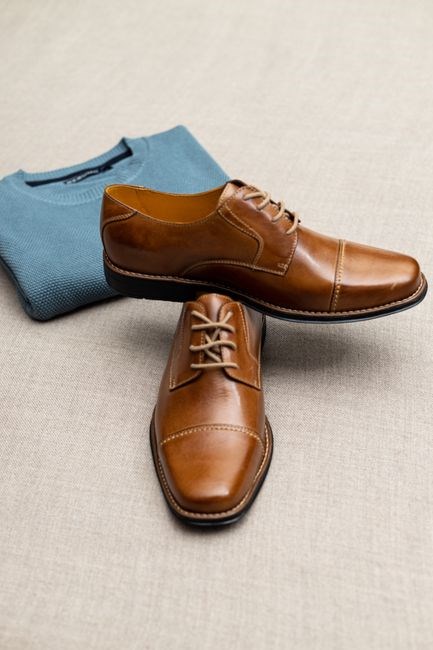
Choosing the right shoes is essential for comfort, confidence, and style. This guide explores key factors—fit, function, fashion, and durability—so you can make informed decisions and step out with footwear that complements every occasion.
From oxfords to modern trainers, choose wisely for comfort today!!!
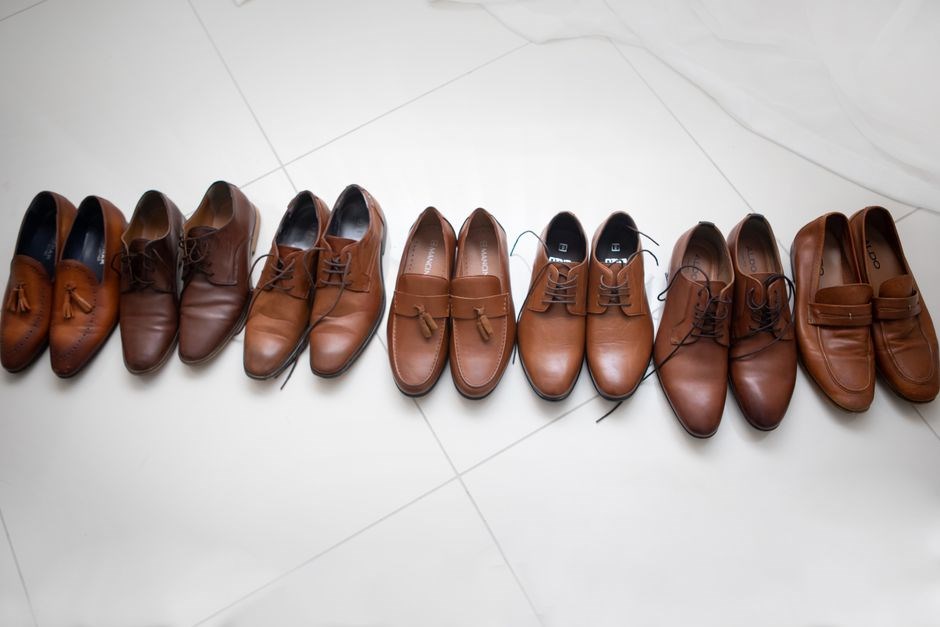
Understanding Foot Anatomy and Fit
Foot anatomy is a complex arrangement of bones, joints, muscles, tendons, and ligaments that work in harmony to support body weight, absorb impact, and provide balance. The foot’s arch—categorized as low, normal, or high—plays a critical role in distributing forces across the sole. A high arch can increase impact on the heel, while a low arch may cause overpronation, placing extra strain on the ankles, knees, and hips. Proper shoe selection begins with accurate measurements of length and width. Length is measured from the heel to the longest toe; width is assessed at the ball of the foot. Most manufacturers offer narrow, medium, and wide options; choosing the correct width prevents blisters, numbness, and long‑term joint problems. The toe box should be roomy enough to allow natural toe splay; a pointed box compresses toes and alters gait. Fit should feel snug at the heel and midfoot yet flexible enough to accommodate foot expansion during walking or running. A slight “toe‑in” angle of 1–2 degrees aligns the foot with the leg’s biomechanics. Tight shoes at the ball or forefoot can restrict blood flow and cause discomfort or injury. Beyond size, cushioning and support systems are critical. Midsole materials such as EVA foam or memory foam absorb shock; stability features like medial posts or arch supports control excessive motion. When testing shoes, pay attention to how the foot feels after a short walk. If the heel slides or the ball feels cramped, adjust the lacing or try a different width. A well‑fitted shoe supports healthy gait and reduces injury risk.!!!
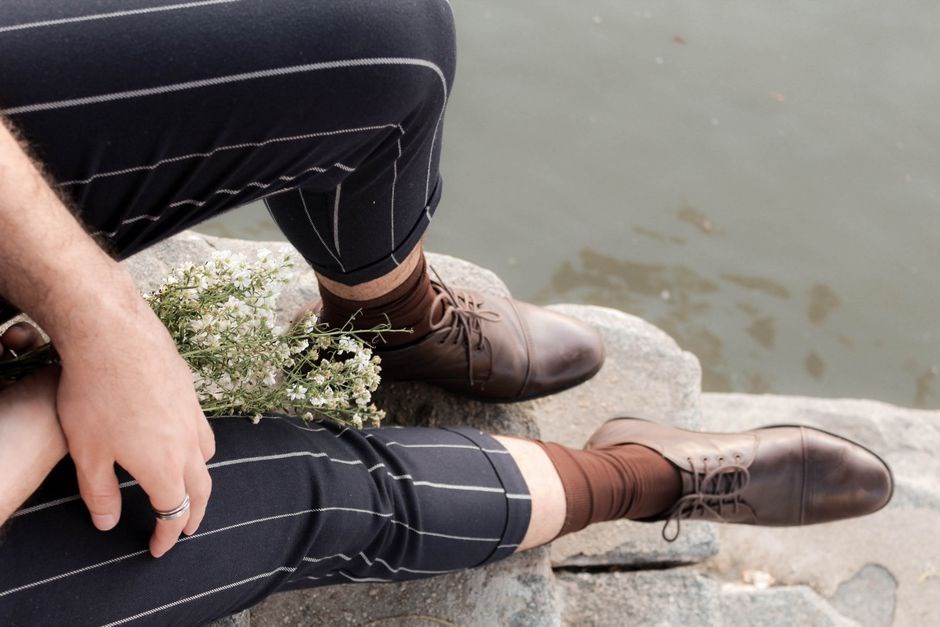
Key Shoe Types for Men
Men’s footwear ranges from polished oxfords for boardrooms to rugged work boots for field tasks. Casual sneakers blend comfort with style, while athletic shoes prioritize performance. Outdoor boots offer protection, and minimalist designs cater to those seeking a sleek, natural feel. Choose wisely! Stay comfy.!!
Formal Dress Shoes
When selecting a formal shoe, consider the occasion: a black‑topped Oxford suits evening affairs, while a brown brogue fits daytime business. Foot health matters; a cushion insoles arch support prevent fatigue. Store shoes with trees to maintain shape and protect finish
Casual Sneakers
Casual sneakers bridge comfort and style, making them a staple for everyday wear. They come in a spectrum of designs—from minimalist canvas to high‑tech mesh—and can be paired with jeans, chinos, or even tailored trousers for a relaxed look. Key features to evaluate include cushioning systems, such as EVA foam or memory‑gel inserts, which absorb impact and reduce foot fatigue during long days on the move.
Beyond everyday wear, sneaker longevity depends on proper storage and rotation. Store them in a cool, dry place away from sunlight and use shoe trees to preserve shape. Rotating pairs every few days prevents sole wear and keeps the upper fresh. When cleaning, avoid soaking; a damp cloth and mild detergent suffice. For stubborn stains, a paste of baking soda and water lifts grime without damaging the material. Finally, keep an eye on the outsole the tread; once worn thin,replace shoes to maintain traction and safety on slippery surfaces.
Style evolution shows sneakers as a canvas for personal expression. From classic low‑top canvas to high‑tech running models, each design reflects cultural shifts and tech advances. Pairing a sleek leather sneaker with tailored chinos can elevate a semi‑formal look, while a chunky rubber bootie offers rugged charm for weekend adventures. The best sneaker balances aesthetic appeal, functional performance, and comfort, ensuring confident steps in any setting.
Athletic Footwear
When selecting athletic shoes, prioritize the activity type—running, training, or sport‑specific gear. Cushioning systems like midsole foam or air units absorb impact, while breathable mesh uppers keep feet cool. Stability features, such as medial posts or reinforced arches, support pronation and reduce injury risk. Weight is critical; lighter shoes enhance speed, whereas heavier models offer extra protection for weightlifting or cross‑fit sessions. Fit should be snug around the heel and midfoot, with a toe box that allows natural toe splay. Width options accommodate different foot shapes, preventing blisters and maintaining comfort during high‑intensity workouts. Durability hinges on outsole grip and material quality—rubber compounds with segmented treads provide traction on varied surfaces. Proper maintenance includes cleaning the upper with a soft brush, rotating shoes to extend lifespan, and replacing worn out midsoles after 300–500 miles. Finally, match shoe technology to your training plan: a cushioned runner for long miles, a stability shoe for overpronation, or a minimalist model for strength training. Choosing the right pair ensures performance, longevity, and injury prevention.
Advanced traction patterns, like herringbone, improve grip on slick surfaces. Moisture‑wicking linings keep feet dry, while reinforced toe caps protect during high‑impact play. Proper arch support and heel cushioning reduce fatigue, lowering the risk of common sports injuries. Choosing the right model ensures lasting support and confidence onrun
Outdoor & Work Boots
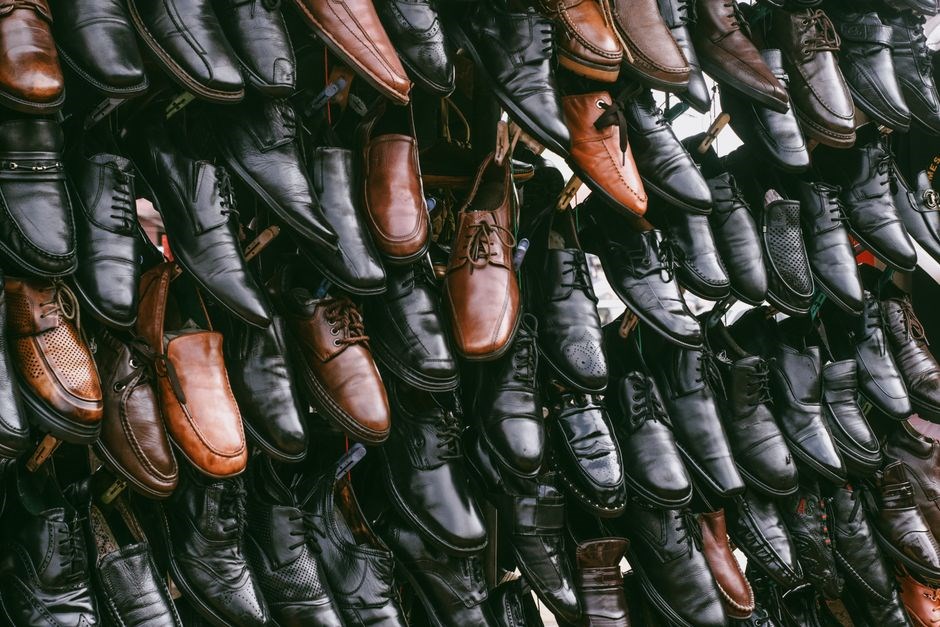
Outdoor and work boots must blend rugged durability with functional protection for demanding environments. Key attributes include a waterproof membrane—such as Gore‑Tex or a breathable, water‑repellent coating—to keep feet dry in rain, mud, or snow. Reinforced toe caps—steel or composite—shield against falling debris, while a sturdy outsole with aggressive lugs ensures traction on uneven terrain. For industrial settings, slip‑resistant rubber provides stability on oily or slick surfaces, and puncture‑proof soles protect against sharp objects. Comfort is achieved through cushioned midsoles, arch support, and a breathable lining that prevents sweat buildup. Adjustable lacing systems or slip‑on designs allow a secure fit and easy removal in hazardous areas. Thermal insulation, like Thinsulate, keeps feet warm in cold climates, and reflective strips enhance visibility during night work. Maintenance involves regular cleaning, drying, and re‑applying protective sprays to preserve waterproofing. Proper storage in a dry, ventilated space extends boot life. Choosing the right boot for your specific task—whether hiking, construction, or industrial maintenance—ensures safety, comfort, and long‑term performance.
Materials & Construction
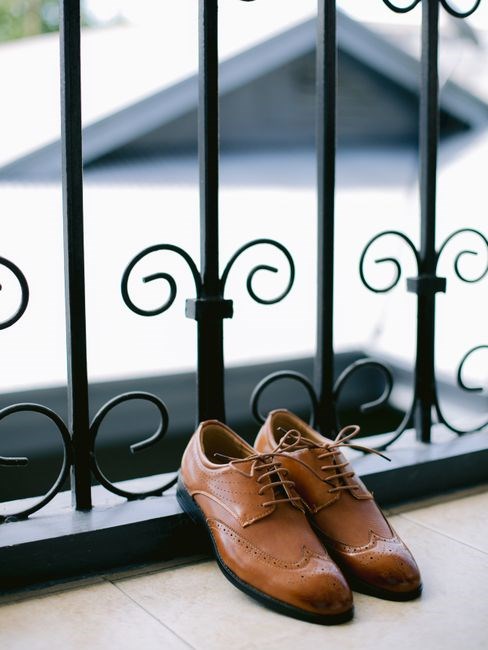
Materials shape performance. Leather offers breathability and classic style, while synthetic blends durability with lightweight comfort. Construction methods—hand‑stitched, Goodyear welt, or direct‑mold—impact longevity, flexibility, and repairability. Durable stitching and quality soles ensure lasting comfort!!
Leather
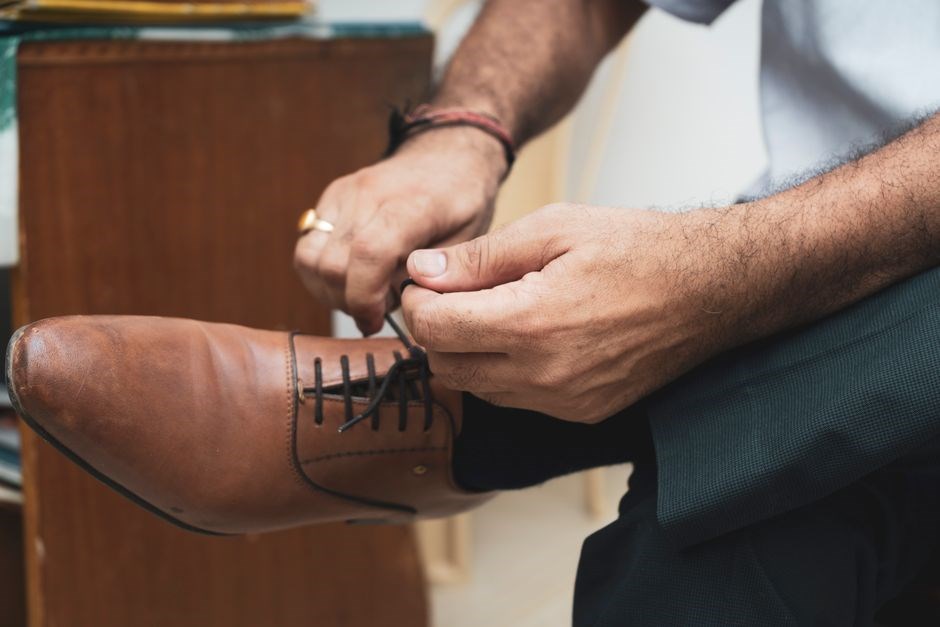
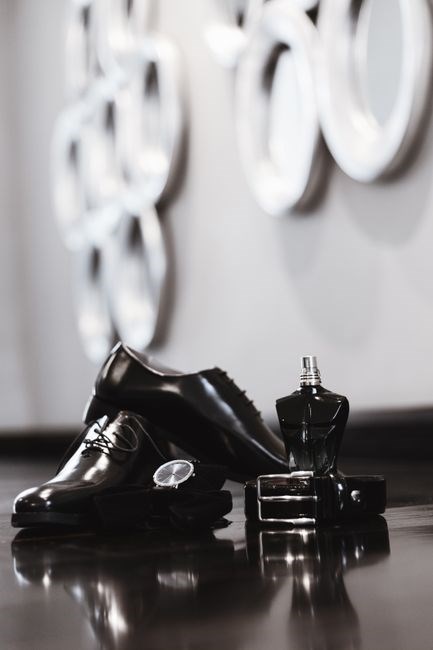
Leather has long been the cornerstone of men’s footwear, prized for its natural resilience, breathability, and timeless aesthetic. The quality of leather hinges on the hide’s origin, tanning process, and finishing techniques. Full‑grain leather, derived from the outermost layer of the hide, retains natural grain patterns and develops a rich patina over time, making each pair unique. Top‑grain leather, slightly sanded to remove imperfections, offers a smoother look while maintaining durability. Suede, a softer variant, provides a velvety texture but demands careful care to preserve its appearance. Tanning methods—chrome, vegetable, or bone—impart distinct qualities: chrome tanning yields supple, water‑resistant leather ideal for everyday wear, whereas vegetable tanning produces a firmer, eco‑friendly material that ages gracefully. The finishing process, whether oil, wax, or lacquering, further enhances water resistance, color depth, and tactile feel. Construction techniques such as Goodyear welt or Blake stitching ensure that leather shoes can be resoled, extending their lifespan. Proper maintenance—regular cleaning, conditioning, and protective sprays—keeps the leather supple and prevents cracking. By understanding these nuances, you can select leather shoes that combine comfort, durability, and style, ensuring they remain a staple in your wardrobe for years to come. Choosing the right leather also involves considering the sole type—rubber for traction, leather for elegance, or hybrid options. A well‑crafted sole protects the foot and enhances performance longevity!!!
Synthetic
Modern men’s footwear increasingly embraces synthetic materials, offering versatility, affordability, and performance that rivals traditional leather. Common synthetics—polyurethane (PU), nylon, polyester, and rubber composites—are engineered to mimic leather’s look while providing lightweight, breathable, and water‑resistant qualities. PU, for instance, delivers a supple feel and a smooth finish, making it ideal for casual sneakers and business‑casual shoes. Nylon and polyester fabrics are woven into breathable mesh or knit panels, enhancing ventilation and reducing foot fatigue during long wear. Rubber composites, often blended with elastane, create flexible soles that absorb impact, making them perfect for athletic and outdoor shoes. The manufacturing process—lamination, injection molding, or 3D knitting—allows designers to create intricate patterns, reduce seams, and improve structural integrity. Sustainability is a growing focus; recycled polyester and bio‑based PU reduce environmental impact while maintaining performance. Care instructions differ: synthetic shoes typically require gentle wiping with a damp cloth and occasional conditioning spray to preserve color vibrancy. They resist stains and moisture better than natural leather, making them suitable for wet climates or high‑activity settings. However, they may lack the breathability of natural materials and can develop a plastic feel over time. Ultimately, synthetic footwear offers a practical, budget‑friendly alternative that balances style, comfort, and durability for the modern man’s wardrobe!!!
Size, Width & Comfort
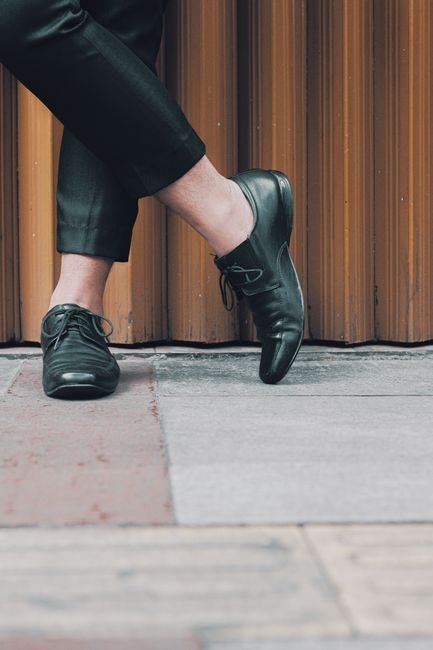
Finding the right size is the first step toward lasting comfort. Measure your foot length and width in the afternoon, when feet are slightly swollen, using a ruler or a dedicated foot‑measurement device. Compare the results with the brand’s size chart, noting that some styles run small or large. Width is equally critical; narrow, medium, and wide options accommodate different foot shapes. A proper fit means the toe box should have a 1‑2 cm clearance, the heel should not slip, and the arch should rest on a supportive midsole. Test shoes by walking a few steps, checking for pressure points or blisters. If the shoe feels snug but not tight, it’s likely the right size. For athletes, consider a slightly larger size to allow for swelling during activity. Pay attention to the material: leather tends to stretch, while synthetics hold shape. Cushioning technology—memory foam, gel inserts, or EVA midsoles—provides shock absorption, but the sole’s flexibility also affects comfort. Don’t ignore the shoe’s weight; lighter models reduce fatigue on long walks. Finally, always try on shoes with the socks you plan to wear, and walk in both directions to ensure a true fit. A well‑chosen size, width, and comfort level can prevent foot pain, improve posture, and boost confidence on every step.
When shopping, remember that a 0.5‑inch difference can change the gait; try shoes at the end of the day, in the same socks you’ll wear, and walk in both directions to detect pressure points. A fit supports posture, reduces fatigue, and ensures stride feels natural and secure!!!!!!
Style & Color Coordination
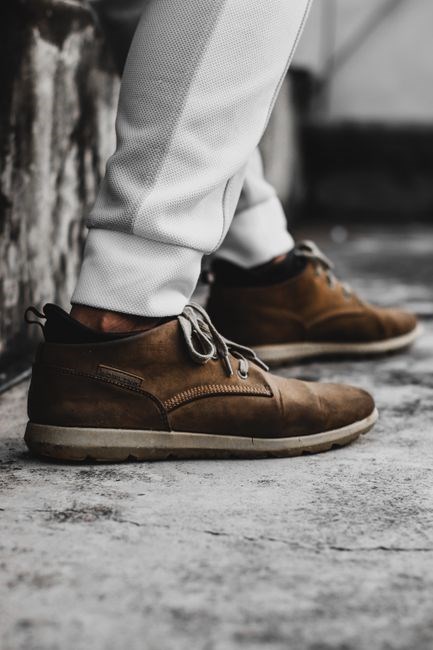
Choosing the right color and style of men’s shoes can elevate an outfit, create visual balance, and reflect personality. Start with the occasion: formal events call for classic black or deep brown leather oxfords, and keep it simple for everyone. For casual wear, sneakers and canvas shoes in neutral tones—white, gray, or olive—pair easily with jeans or chinos. When mixing colors, keep the rule of thirds: one dominant color, one accent, and one neutral. A pair of burgundy brogues can add a pop of color to a charcoal suit, while a pair of navy sneakers can soften a casual gray ensemble. Pay attention to material contrast: leather shoes pair well with wool or tweed, whereas canvas or suede shoes look best with cotton or linen. Color psychology also matters; dark shades convey authority, while lighter hues suggest approachability. Coordinate with accessories—belt, watch strap, and socks—to create cohesion. Avoid clashing patterns; if your shoes feature a subtle pattern, choose a solid‑colored outfit. Finally, consider seasonal trends: pastel sneakers in spring, earth‑tone boots in fall, and crisp white trainers in summer. By aligning shoe color with the rest of the wardrobe, you achieve a polished, harmonious look that speaks confidence and style. When selecting shoes, consider the color wheel: complementary hues create contrast, while analogous shades offer subtlety. A deep navy pair can pair with a muted olive suit, whereas a crisp white sneaker pairs with a light gray jacket. Remember that metallic accents add flair. The right shoe color not only balances the outfit but also reflects your personal style, making a lasting impression in professional and casual settings. and leave a lasting!
Care, Maintenance & Value
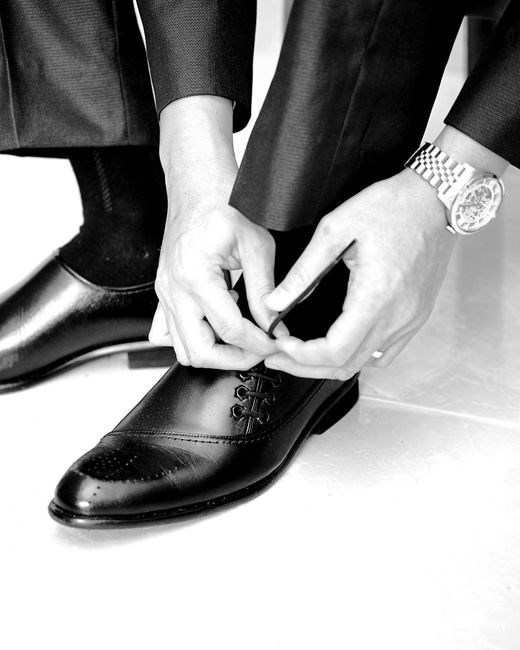
Proper care preserves the look and extends the life of men’s shoes. Begin by cleaning regularly: use a soft brush or damp cloth to remove dirt, and for leather, apply a mild cleaner followed by a conditioning lotion. For canvas or synthetic materials, a gentle detergent and air drying suffice. After cleaning, let shoes dry naturally, away from direct heat or sunlight, to prevent cracking. When shoes are damp, insert newspaper or shoe trees to maintain shape and absorb moisture.
Polishing is essential for leather footwear. Choose a polish that matches the shoe color, apply in thin layers, and buff with a soft cloth or brush. For suede, use a suede eraser or brush to lift nap and remove stains. Avoid over‑polishing, which can dull the finish. For rubber soles, wipe with a damp cloth and mild soap; for leather soles, use a leather conditioner to keep them supple.
Storage matters: keep shoes in breathable bags, away from humidity, and store them upright or on shoe racks. Rotate shoes weekly to avoid uneven wear. Replace worn‑out insoles or heels with orthotic inserts or new soles to maintain comfort and support. If a shoe’s sole is damaged, consider a professional repair or replacement of the sole rather than discarding the entire shoe.
To maximize value, invest in quality shoes that can be refurbished. Regular maintenance reduces the need for costly replacements. Keep receipts and warranty information, and schedule annual professional cleaning for high‑end pairs. By following these steps, you protect your investment, keep shoes looking fresh, and ensure they remain comfortable for years.