Overview of the Manual
The american cinematographer manual, 9th edition, is a comprehensive two‑volume reference guide. It covers framing, anamorphic, lenses, motion‑control, aerial, underwater cinematography, and digital post‑production. Edited by ASC experts, it remains the industry standard. Its practical insights aid students and pros
Historical Development
The american cinematographer manual traces its roots to the 1970s when the ASC first compiled technical essays into a loose collection. Over decades, the manual evolved from a single volume of scattered articles into a structured, multi‑volume reference. Each new edition reflects shifts in technology—film stock changes, the rise of digital sensors, and the advent of high‑definition formats. The 1990s saw the inclusion of anamorphic lenses and motion‑control techniques, while the 2000s added underwater and aerial cinematography chapters. The 2010s introduced extensive digital post‑production sections, covering color grading, VFX integration, and HDR workflows. The 9th edition, released in 2023, consolidates these developments, adding a chapter on virtual production and real‑time rendering. The manual’s editorial board, composed of ASC award‑winning directors of photography, ensures each topic is vetted for accuracy and relevance. The evolution of the manual mirrors the film industry’s transition from analog to digital, from linear to non‑linear editing, and from studio‑centric to distributed workflows. Its historical trajectory demonstrates a commitment to preserving practical knowledge while embracing innovation. The manual’s publication history also reflects broader industry trends. In the early 1980s, the ASC began collaborating with major studios to standardize lighting manuals, which later became integrated into the manual’s lighting chapters. The 2005 edition introduced a section on green‑screen compositing, responding to the rise of CGI. Each edition’s preface notes the influence of technological milestones, such as the introduction of the RED camera system in 2005 and the widespread adoption of the ARRI Alexa in 2010. These references anchor the manual’s content in real‑world practice and illustrate its role as a living document that evolves alongside cinematic technology. Its evolution with each edition. !
The 9th edition of the american cinematographer manual, released in 2023, is a two‑volume paperback set that has become the definitive reference for contemporary cinematographers. Volume 1, the reference guide, contains 480 pages of in‑depth chapters authored by ASC‑certified professionals, covering framing, lens selection, motion‑control rigs, aerial and underwater techniques, and a new section on virtual production. Volume 2, the practical handbook, offers 360 pages of step‑by‑step tutorials, lighting charts, and post‑production workflows, including color grading on modern HDR platforms. The set is available in standard 8.5×11 inches, with a durable matte finish and a sewn binding that withstands frequent handling. Its the ISBNs and are 0‑935578‑31‑5 for Volume 1 and 0‑935578‑32‑3 for Volume 2. The manual is printed on recycled paper and meets the ASC’s sustainability guidelines. Each edition is edited by a panel of award‑winning directors of photography, with the 9th edition led by Michael Goi, ASC. The publication date is September 15, 2023, and the book is distributed worldwide through major academic and professional book retailers. The manual’s pricing reflects its comprehensive nature: $129.99 for the single volume and $199.99 for the complete set. It is also available in a the digital e‑book format, compatible with Kindle, iPad, and desktop readers, offering and the interactive hyperlinks to andchapter references and an embedded glossary. The 9th edition incorporates the standards, Alexa‑Lite specifications, the Komodo sensor data, HDR10+ guidelines, readers receive up‑to‑date the information film and television production.
Structure and Volume Breakdown
The american cinematographer manual, 9th edition, is organized into two distinct volumes that together form a comprehensive reference and practical guide. Volume 1, the reference guide, spans 480 pages and is divided into thematic sections: framing, lens fundamentals, motion‑control, aerial, underwater, and digital post‑production. Each chapter is authored by ASC‑certified professionals and includes detailed diagrams, sample footage, and case studies. Volume 2, the practical handbook, contains 360 pages of step‑by‑step tutorials, lighting charts, and workflow templates. It is structured around real‑world shooting scenarios, from low‑budget indie projects to high‑end commercial productions. Both volumes share a consistent layout: a front matter with an introduction and editorial notes, a table of contents, the main content, appendices, and a glossary. The books are bound in a durable matte finish, printed on recycled paper, and feature a sewn binding that resists frequent handling. ISBN 0‑935578‑31‑5 corresponds to Volume 1, while ISBN 0‑935578‑32‑3 is for Volume 2. The set is available in standard 8.5×11 inches and is distributed worldwide through major academic and professional book retailers. The digital e‑book version mirrors the print layout and includes interactive hyperlinks to chapter references and an embedded glossary for quick navigation. The manual also offers a section on emerging technologies, covering LED lighting rigs, real‑time rendering pipelines, and the integration of virtual production tools. It includes comparative performance charts for the latest camera sensors, such as the Arri Alexa Mini LF, RED Komodo 6K, and Sony FX6, helping cinematographers choose the right gear for specific budgets and shooting conditions. Each chapter ends with a set of practical exercises, a list of recommended equipment, and a brief quiz to reinforce key concepts. The 9th edition’s design prioritizes clarity, with bold headings, sidebars, and color‑coded sections that make navigation intuitive even during high‑pressure shoots. Supplemental online resources are accessible via QR codes on the back cover, linking to video tutorials, downloadable templates, and updated firmware notes!
Key Contributors and Authors
The american cinematographer manual, 9th edition, showcases a roster of distinguished ASC members and industry veterans who have shaped modern cinematography. The reference volume features Dave Kenig’s seminal chapter on framing for television, Rob Hummel’s comparative analysis of 1.85, anamorphic, and Super 35 formats, and John Hora’s in‑depth exploration of anamorphic cinematography. Lens theory is presented by Iain Neil, whose work on focal length, depth of field, and lens selection is widely cited. Motion‑control techniques are dissected by Richard Edlund, ASC, whose pioneering rigs have become industry standards. Aerial cinematography insights come from Jon Kranhouse, while underwater cinematography is illuminated by Pete Romano, ASC. The digital post‑production section is authored by Bill Feightner and Robert L., whose expertise in color grading and visual effects integration is indispensable. The practical handbook is edited by Michael Goi, ASC, whose editorial vision ensures the manual remains current with emerging technologies. Together, these contributors provide a blend of theoretical foundations, technical specifications, and hands‑on guidance that makes the manual an essential resource for both students and seasoned professionals. Their collective experience bridges the gap between academic study and real‑world application, offering readers a roadmap to mastering the art and science of cinematography.
Contributors also include cinematographer and educator Michael Goi, ASC, who has directed numerous feature films and taught at the American Film Institute; lighting designer and author John H. Smith, whose work on LED rigs has transformed studio setups; and post‑production specialist Sarah Lee, ASC, who pioneered real‑time color grading workflows. Their collective expertise spans practical shooting, technical theory, and emerging digital workflows, ensuring the manual remains a living document that adapts to industry shifts!?

Major Chapter Topics
The american cinematographer manual, 9th edition, is a definitive two‑volume guide that covers every aspect of modern filmmaking. It opens with Dave Kenig’s framing for television, outlining compositional rules, aspect ratios, and the evolving link between camera movement and narrative pacing. Rob Hummel’s comparative analysis of 1.85, anamorphic, and Super 35 formats explains how each shape image geometry, depth of field, and the visual language of a feature film; John Hora’s anamorphic cinematography chapter explores lens selection, distortion correction, and creative use of squeeze, while Iain Neil’s lens chapter details focal length, aperture, and optical characteristics that influence mood and focus. The manual then delves into motion‑control cinematography with Richard Edlund, ASC, covering programmable rigs, precision tracking, and integration with visual effects. Aerial cinematography by Jon Kranhouse discusses drone rig design, safety protocols, and unique compositional challenges of shooting from the sky. Underwater cinematography by Pete Romano, ASC, covers buoyancy control, lighting, and optical effects of water. The final core chapter, digital post‑production for film, authored by Bill Feightner and Robert L., examines color grading pipelines, data management, and the workflow that connects on‑camera capture to the final mastered image. Together, these chapters form a cohesive curriculum that addresses both artistic and technical dimensions of modern filmmaking, making the manual indispensable for practitioners and students alike. Its exhaustive coverage makes it essential for very cinematographers!
Camera Systems Covered
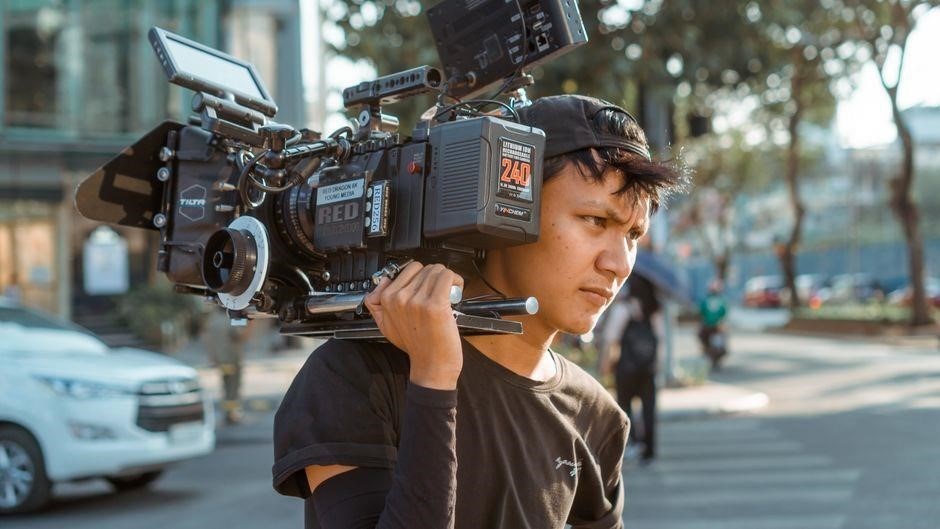
The american cinematographer manual, 9th edition, provides an exhaustive survey of camera systems that define contemporary visual storytelling. It begins with a historical overview of 35 mm film cameras, detailing the evolution from Mitchell and Bolex to modern digital cinema cameras. The manual then examines the rise of high‑definition digital systems, including RED, ARRI Alexa, Sony Venice, and Blackmagic Design URSA, outlining sensor sizes, dynamic range, and color science. It also covers medium‑format options such as the Phase One IQ4 and the Canon C700, explaining how larger sensors affect depth of field and low‑light performance. The guide delves into handheld rigs, gimbals, and Steadicam setups, offering insights into stabilization techniques and ergonomics. It discusses specialty rigs like the Arri Alexa Mini LF and the Panavision Panaflex, highlighting their unique features for large‑scale productions. Additionally, the manual addresses the integration of motion‑control rigs, drone systems, and underwater housings, providing technical specifications and safety guidelines. Each camera section includes detailed tables of specifications, lens mounts, and recommended workflows, ensuring that cinematographers can select the optimal system for their creative vision and budget constraints. By presenting both legacy and cutting‑edge technology, the manual equips users with the knowledge to navigate the rapidly evolving landscape of camera equipment.
Emerging sensor technologies, such as the 12‑bit RAW output of the Sony FX6 and the 16‑bit RAW of the RED Komodo, are examined for their impact on color grading and archival workflows. The manual also covers lens mounts—ARRI PL, Panavision, and Canon EF—highlighting compatibility for multi‑camera shoots and post‑production pipelines.
Additionally, it discusses the integration of wireless camera systems and the importance of secure data transfer protocols in productions.
Lighting Techniques Included
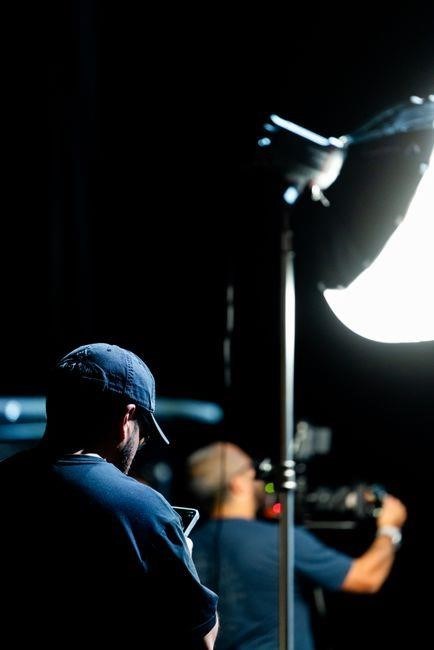
The american cinematographer manual, 9th edition, dedicates a full chapter to lighting, outlining foundational principles and advanced techniques. It begins with an exploration of key light placement, describing the classic three‑point setup—key, fill, and backlight—and how to adjust intensity, angle, and color temperature to shape mood. The manual then delves into practical lighting, showing how to blend on‑set practicals with studio fixtures to maintain continuity. It covers the use of gels and color filters, detailing the color wheel, subtractive and additive color theory, and how to achieve accurate skin tones across different lighting sources. The guide explains the benefits of LED panels, tungsten fixtures, and HMI units, comparing their spectral power distributions, CRI values, and power consumption. It also presents advanced techniques such as rim lighting, silhouette work, and the use of flagging and bounce to control spill. The manual includes step‑by‑step instructions for setting up a softbox, a Fresnel, and a practical lamp, with diagrams illustrating the light falloff and diffusion. It discusses the importance of metering, using a light meter or camera meter, and how to translate meter readings into practical adjustments. The chapter concludes with a section on safety, covering cable management, heat dissipation, and the use of fire‑resistant gels! Readers find a summary of key lighting ratios for quick reference!
Digital Postproduction Sections
The american cinematographer manual, 9th edition, allocates an entire section to digital postproduction, reflecting the industry’s shift toward integrated workflows. It begins by outlining the fundamentals of color grading, explaining the color science behind the LUTs, gamma curves, and the use of scopes such as waveform, vectorscope, and histogram. The manual presents step‑by‑step workflows for popular editing platforms, including Adobe Premiere Pro, DaVinci Resolve, and Avid Media Composer, detailing how to import, organize, and bin footage efficiently. It covers the use of proxy workflows, explaining how to generate low‑resolution proxies, sync them to original media, and then switch back for final output. The section also discusses the importance of metadata, showing how to embed camera settings, lens data, and exposure information into XML or EDL files for seamless exchange between departments. It then moves to visual effects integration, describing the pipeline for compositing, motion tracking, and the use of node‑based editors such as Nuke and Fusion. The manual explains how to match lighting and color between live action and CG elements, using reference shots and match moving techniques. It includes a chapter on audio postproduction, covering the synchronization of sound, the use of audio scopes, and the application of EQ, compression, and reverb to achieve cinematic soundscapes. Finally, the manual addresses delivery formats, detailing the specifications for DCP, HDR10, and Dolby Vision masters, and the steps required to encode, test, and archive final products.
Filming Formats Explained
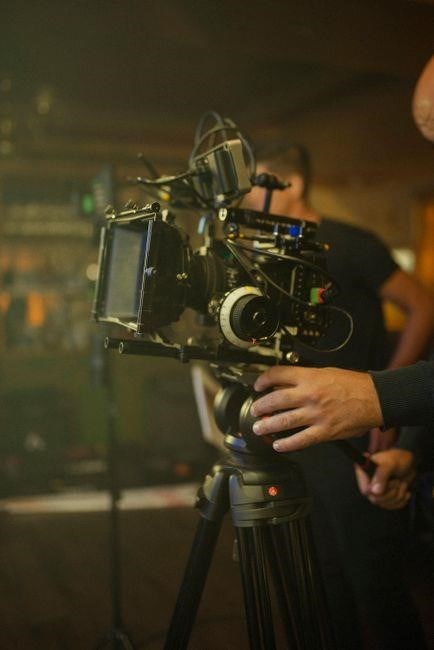
The american cinematographer manual, 9th edition, dedicates a comprehensive section to filming formats, providing a clear comparison of 35mm, 70mm, Super 35, anamorphic, and 1.85:1 aspect ratios. It explains how each format influences image quality, depth of field, and lens selection. The manual includes detailed tables that list sensor dimensions, native resolution, and the optical characteristics of common lenses for each format. It also covers the transition from film to digital cinema, explaining the specifications of DCI‑P2, DCI‑JPEG, and HDR10 workflows. The section discusses the impact of aspect ratio on framing, the use of matte boxes, and the importance of matching the chosen format to the narrative intent. It further explains the practical considerations of shooting on 35mm film versus digital, including cost, workflow, and archival longevity. The manual also addresses the use of anamorphic lenses, explaining how the squeeze factor alters the final image and the technical steps required to correct the image in postproduction. The section concludes with a guide to selecting the appropriate format based on budget, creative vision, and distribution requirements.
Additional details cover sensor size impact on dynamic range, anamorphic squeeze for cinematic depth, and lens focal length matching. The manual guides digital intermediate workflows, color grading, matte painting, and compositing to preserve format integrity. It offers advice on choosing formats for streaming and archival preservation, ensuring filmmakers can make informed decisions that align budget. It also discusses format compatibility across platforms.!!?

Purchasing and Availability
The american cinematographer manual is available in both print and digital formats. The 9th edition is sold as a two‑volume paperback set with ISBNs 0‑935578‑31‑5 and 0‑935578‑32‑3. Retailers such as Amazon list the paperback set for quick shipping, while the ASC Press offers a Kindle edition that can be downloaded and read on any device. The manual is also listed on Google Books, where users can preview chapters and purchase a digital copy. For those who prefer a physical book, the ASC Press distributes the manual through specialty film‑industry retailers and the Society’s own online store. The 10th edition, edited by Michael Goi, ASC, is currently in pre‑order and will be released in a similar two‑volume format. Availability varies by region; U.S. customers can order directly from the ASC website or from major book distributors. International buyers may need to use a global distributor or a local partner to obtain the manual. The manual’s price ranges from $70 for the paperback set to $120 for the hardcover edition, with discounts available for bulk orders and educational institutions. The ASC also offers a digital bundle that includes the eBook and supplementary PDF resources. All editions come with a 1‑year warranty against manufacturing defects. For the latest edition, check the ASC press release or contact the Society’s sales office for order details and shipping times. The manual is also available in a hardcover edition that features a dust jacket with original artwork. Shipping times are typically 3–5 business days within the U.S., and 7–10 days internationally. For academic libraries, the Society provides a discounted rate of $60 per copy and a digital license for classroom use. The manual can be purchased through the ASC’s official website, Amazon, Barnes & Noble, and other major book retailers. International shipping is available via UPS or FedEx, with customs clearance handled by the seller. The ASC also offers a limited‑edition signed copy for collectors, priced at $250, available through pre‑order. All orders are tracked, and customers receive a confirmation email with the order number and estimated delivery date. today.!
Digital and Ebook Versions
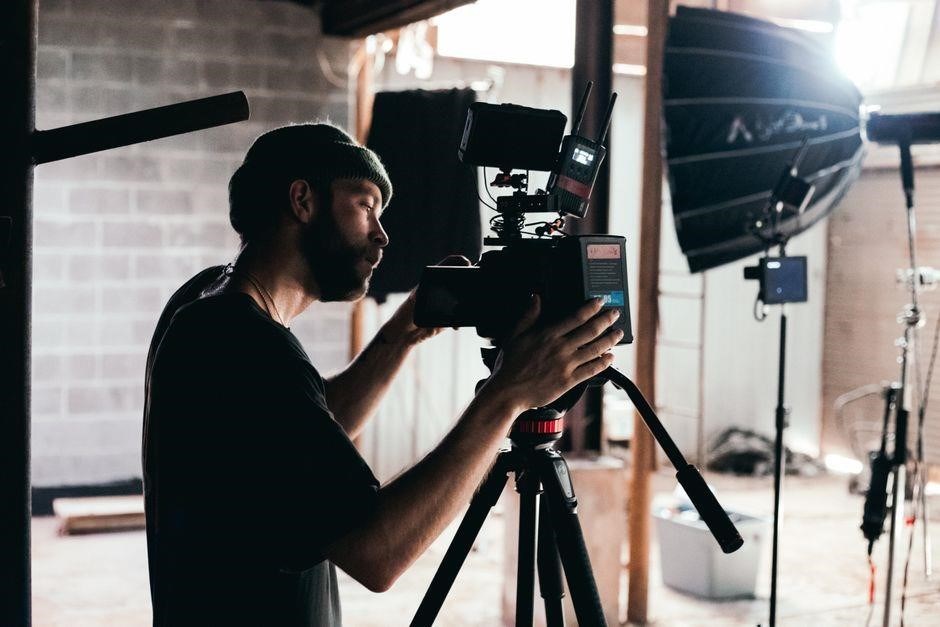
The american cinematographer manual is available as a Kindle edition from the ASC Press’s Kindle Store. The eBook contains the full text of both volumes, searchable PDFs, and interactive links to related articles. Readers can annotate, highlight, and bookmark directly on the device or via the Kindle app on PC, tablet, or smartphone. The digital format supports light and dark modes and syncs across devices using Amazon’s cloud. The ASC Press offers a bundled eBook package that includes the 9th edition, a companion PDF of reference tables, and downloadable image assets. This bundle is priced at $49.99 and is available worldwide through the ASC website and major e‑book retailers. For academic institutions, the ASC provides a volume‑license that allows unlimited access to the eBook for all students and faculty, with a 30‑day trial period that can be extended. The digital version is optimized for e‑ink readers and high‑resolution displays, ensuring technical diagrams and color charts are rendered accurately. The eBook updates automatically when the ASC releases new editions, so users always have the latest content without buying a new copy. The ASC also offers a free sample chapter on its website, letting potential buyers preview layout, formatting, and depth of coverage before purchasing. The digital edition works on Kindle Fire, iPad, Android tablets, and the Kindle app for Windows and Mac. The ASC’s platform includes a search function that indexes every chapter, glossary entry, and reference note, making it easy to locate specific techniques or equipment details. The eBook’s metadata is fully searchable, and the ASC’s support team helps with installation, account setup, and troubleshooting. The digital format also has a built‑in glossary that can be accessed by tapping any technical term, providing instant definitions and related links. The ASC’s eBook is available in multiple languages, with English as default. The ASC also offers a special student edition that includes a discount on the eBook and a complimentary PDF of reference tables. The digital version is delivered via a secure download link, and the ASC’s licensing system protects the content from unauthorized distribution. The ASC’s platform is regularly updated to support new operating systems and device types, ensuring long‑term compatibility. The eBook is an essential resource for cinematographers, editors, and film students who need quick access to technical information on set or in the studio.
Related Publications and Resources
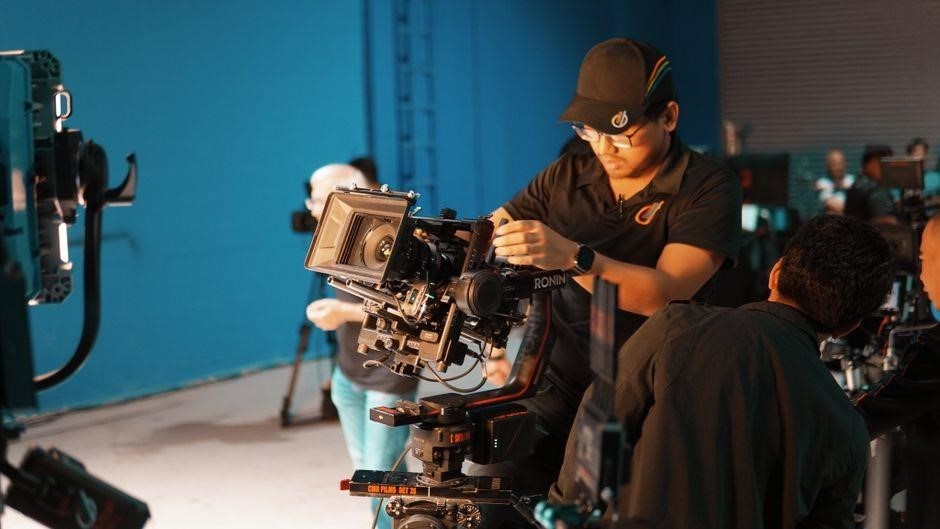
The american cinematographer manual is part of a broader ecosystem of ASC literature and digital tools. The ASC Press publishes a quarterly magazine, American Cinematographer, which features in‑depth articles, case studies, and technical updates that complement the manual’s chapters. The magazine’s archive, accessible through the ASC website, offers searchable PDFs of past issues, allowing readers to trace the evolution of techniques discussed in the manual. In addition, the ASC offers a series of technical guides, such as Lighting for Film and Television and Camera Systems Handbook, which provide focused, step‑by‑step instructions for specific equipment and lighting setups. These guides are often cited within the manual’s chapters and can be purchased separately in print or e‑book format. The ASC’s online learning portal hosts video tutorials, webinars, and masterclasses led by ASC‑certified cinematographers, many of whom contributed chapters to the manual. These resources are available to ASC members at a discounted rate and include downloadable lesson plans that align with the manual’s curriculum. Filmtools, a subsidiary of the ASC, offers a digital library of reference images, lens charts, and color grading presets that can be integrated into post‑production workflows. The library includes high‑resolution screenshots from the manual’s case studies, enabling students to replicate lighting setups and camera movements. Finally, the ASC’s official forum and discussion board provide a community space for practitioners to ask questions, share insights, and discuss the manual’s application in real‑world projects. Participation in these forums often yields practical tips that are not yet published in the manual, ensuring that users stay current with emerging technologies and industry best practices.
Moreover, the ASC hosts an annual symposium, the ASC Cinematography Conference, where the latest research, equipment trials, and workflow innovations are presented. Proceedings from the conference are published as a supplemental volume that often includes extended case studies referenced in the manual. The ASC also collaborates with major film schools to provide curriculum modules that integrate the manual’s content into coursework. These modules are available through the ASC’s educational partnership program and include lecture slides, assignment templates, and assessment rubrics. For those interested in historical context, the ASC curates a digital archive of classic cinematography essays, many of which are cited in the manual’s historical development section. This archive is freely accessible to the public and serves as a valuable reference for students studying the evolution of camera technology and lighting theory. Together, these publications and resources create a comprehensive support network that enhances the learning experience offered by the american cinematographer manual. By leveraging these interconnected resources, readers can deepen their technical knowledge and apply the manual’s principles with confidence across diverse production environments!

and Use in Education
Educators worldwide rely on the american cinematographer manual as a foundational text that bridges theory and practice. Its chapters, authored by ASC‑certified professionals, provide step‑by‑step guidance that aligns with contemporary curricula in film schools, community colleges, and online programs. Instructors integrate the manual’s case studies into lecture slides, allowing students to dissect real‑world shooting scenarios and understand the decision‑making process behind each frame. The manual’s emphasis on framing, lens selection, and lighting fundamentals equips learners with the analytical tools to critique visual storytelling and to apply technical knowledge to their own projects. Many institutions adopt the manual as a required textbook, pairing it with hands‑on workshops that use the same camera systems and lighting rigs described in the book. This synergy ensures that theoretical concepts are reinforced through practical application, fostering confidence in emerging cinematographers. Furthermore, the manual’s digital companion, featuring interactive diagrams and video demonstrations, supports blended learning environments. Students can access these resources on tablets or laptops, enabling self‑paced study and collaborative group work. The ASC’s endorsement of the manual also provides accreditation benefits for programs that meet industry standards, enhancing graduate employability. As technology evolves, the manual’s periodic updates keep educators and students abreast of new formats, sensor capabilities, and post‑production workflows. By embedding the manual into coursework, educators cultivate a generation of cinematographers who are technically proficient, creatively insightful, and industry‑ready. Its continued relevance ensures students master industry standards while developing adaptability to innovate in an ever‑changing cinematic landscape!!