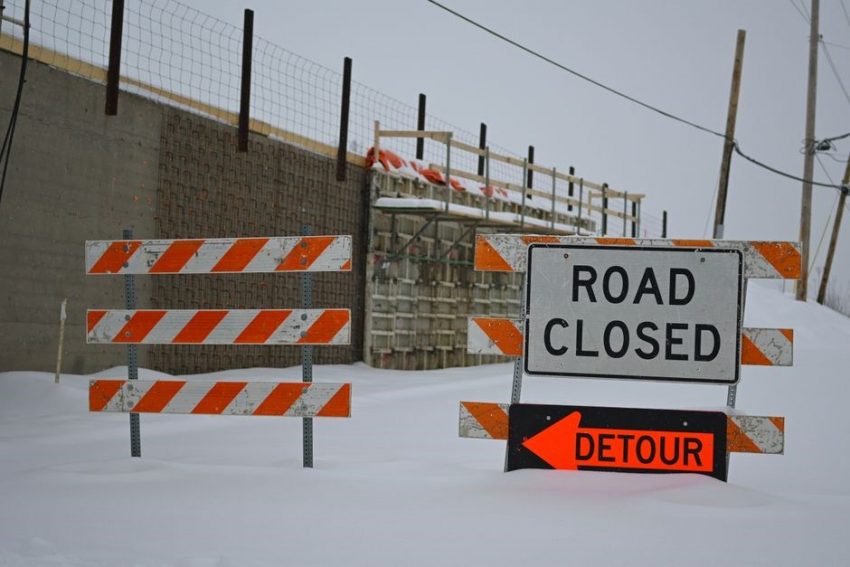
Overview of TxDOT Traffic Control Plan PDF
TxDOT Traffic Control Plan PDF ensures safe, efficient travel through work zones, emphasizing safety․ It contains standard sheets—non‑official—showing signs, except triangle symbols may be omitted․ Submittals must be PDF, emailed to TCP_SUBMITTALWACOTX․GOV, and signed by a licensed Texas engineer!!!!

Purpose and Scope
TxDOT Traffic Control Plan PDF defines scope for safe, eff․ travel through work zones, covering all documents for construction projects․ It mandates standard sheets, required signs, and triangle exceptions․ Submittals must be PDF, emailed, and signed by a licensed engineer․
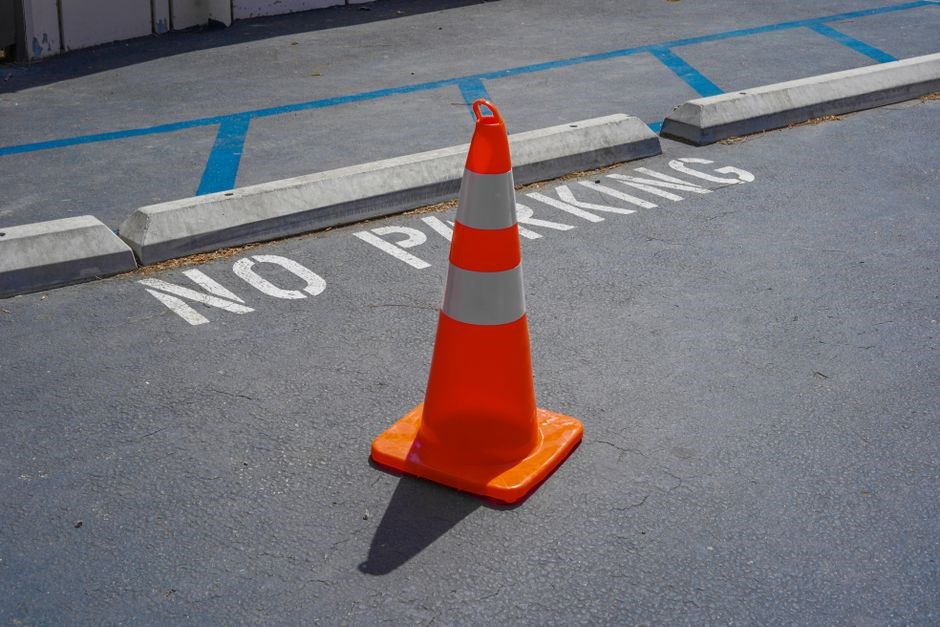
2․1 Definition of Traffic Control Plan
A Traffic Control Plan (TCP) is a comprehensive document that outlines the strategies, equipment, and procedures necessary to manage vehicle and pedestrian movements safely and efficiently during construction, maintenance, other temporary road work․ The plan must be tailored to the specific project site, considering factors such as roadway geometry, traffic volume, speed limits, and the nature of the work․ It identifies the required traffic control devices—signs, barricades, cones, signals—along with their placement, spacing, and duration․ The TCP also specifies the responsibilities of the construction crew, the supervising engineer, and any third‑party inspectors, ensuring that all parties adhere to the Texas Department of Transportation (TxDOT) standards and the Texas Transportation Code․ The document must include a detailed site layout, a schedule of work phases, and contingency measures for incidents like accidents or severe weather․ Additionally, the TCP must be reviewed and approved by a licensed professional engineer before implementation․ The plan serves as the primary reference for all stakeholders, guiding the safe movement of traffic and protecting workers, motorists, and the public․ The TCP also includes a risk assessment matrix and a communication plan for coordinating with local authorities and emergency services․ It is reviewed annually to reflect changes in project scope or roadway conditions․ and updates soon․!

Regulatory Framework
TxDOT’s Traffic Control Plan PDF complies with Texas Transportation Code sections 545․01 and 545․02, which mandate safe construction zone operations․ The plan must meet TxDOT’s standards, be approved by a licensed engineer, and follow federal OSHA guidelines for worker safety․ Safe compliance!!!!!!

3․1 Texas Transportation Code Requirements
Texas Transportation Code sections 545․01 and 545․02 establish the legal foundation for all traffic control plans within TxDOT’s jurisdiction․ and etc Section 545․01 requires that any construction or maintenance activity that interferes with public traffic must be accompanied by a comprehensive traffic control plan, approved by a licensed professional engineer․ The plan must detail the placement of signs, barriers, detour routes, and any other devices necessary to maintain safe travel for motorists, pedestrians, and construction personnel․ Section 545․02 mandates that the plan be submitted in PDF format, signed by the engineer, and forwarded to the designated TxDOT email address or portal․ Failure to comply can result in penalties, delays, or revocation of permits․ In addition to these statutory requirements, TxDOT incorporates federal OSHA regulations for worker safety, ensuring devices meet national standards for visibility and structural integrity․ The code also requires periodic review and updates of the plan to reflect changes in traffic volumes, road geometry, or construction scope․ Engineers must document any modifications and resubmit the updated plan․ The Texas Transportation Code emphasizes public communication; therefore, the plan must include a schedule of public notices, detour signage, and emergency contact information․ Compliance with these provisions is required for all projects within TxDOT’s right‑of‑way, and non‑compliance can lead to enforcement actions, including fines and suspension of construction activities․

Standard Sheets and Formats
TxDOT’s standard sheets are non‑official, formatted in PDF and DGN for MicroStation․ They list required signs, barriers, and spacing․ Gray sheets are soon removed; yellow sheets show recent changes․ All devices must be used unless triangle symbols allow omission․
4․1 Statewide Standard Sheets
TxDOT’s statewide standard sheets serve as the foundational reference for all temporary traffic control documentation․ Although not the official TxDOT standards, these sheets are distributed to contractors and design professionals to ensure consistency across the state․ They are available in both PDF and MicroStation DGN formats, allowing users to view the drawings in Adobe Acrobat Reader or import them into MicroStation for further editing․ The sheets include a comprehensive list of required signs, barriers, and lane‑shifting devices, each with prescribed spacing and placement guidelines․ Special attention is given to the use of the triangle symbol; devices marked with this symbol may be omitted when the plan explicitly states so or when routine maintenance work is approved by the supervising engineer․ The PDF versions are the primary submission format for all traffic control plans, and they must be sent via email to TCP_SUBMITTALWACOTX․GOV, except for City of Waco projects, which use the ProjectMates portal․ The DGN files are intended for internal use and can be opened directly in MicroStation; they are also linked to the PDF files through companion icons․ The standard sheets are color‑coded: gray sheets indicate those slated for removal, while yellow sheets highlight recent changes or new additions․ Contractors must reference the most current version to avoid compliance issues․ All devices illustrated are mandatory unless the triangle symbol indicates an exception, ensuring that every plan meets safety and operational requirements․ By adhering to these statewide sheets, projects maintain uniformity, reduce errors, and promote public safety across Texas highways․ Compliance with these guidelines is mandatory․
4․2 MicroStation (DGN) and PDF Compatibility
TxDOT traffic control plan PDFs are paired with MicroStation DGN files for design flexibility․ The DGN files contain the same schematic layout as the PDF, but they allow designers to edit geometry, add annotations, and generate custom sheets․ Each DGN file is linked to its PDF counterpart via a companion icon; clicking the icon opens the PDF in Adobe Acrobat Reader․ This dual‑format system ensures that all stakeholders can view the plan in a familiar PDF format while engineers can modify the DGN file for project‑specific adjustments․ The PDF submission guidelines require that the final plan be in PDF format, but the DGN file remains a valuable resource for internal coordination․ Compatibility between the two formats is maintained by using standardized layer names, block definitions, and text styles that match TxDOT’s statewide standard sheets․ When a DGN file is updated, the PDF is regenerated automatically to reflect the changes, ensuring consistency․ Contractors must keep the DGN file in the project folder and reference it when preparing the PDF; The PDF is official document for submission․ The system supports color coding: gray sheets indicate removal, yellow sheets denote recent changes․ The DGN files can be opened in MicroStation, and the PDF can be viewed in any standard PDF viewer․ This workflow streamlines the design process and reduces keeping the design and documentation in sync․ All files must be saved with the same naming convention to avoid confusion during the approval process․ The combination of MicroStation and PDF ensures that TxDOT’s traffic control plans are accurate, up‑to‑date, and easily shareable among all parties involved in the project․
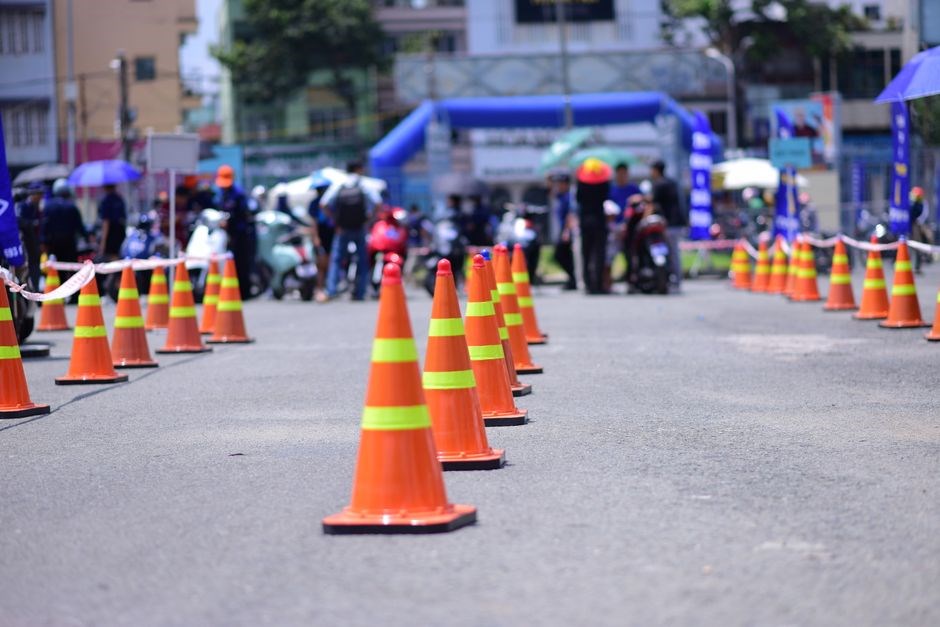
Required Traffic Control Devices
TxDOT traffic control plan PDF mandates specific devices: signs, cones, barricades, and warning tape․ All devices must be placed per spacing guidelines․ Triangle symbol devices may be omitted only when explicitly authorized․ Submittals must list each device․ All․All!!!

5․1 Signage and Placement
TxDOT traffic control plan PDF mandates that all signage be installed per Texas Transportation Code and TxDOT standards․ Sign types include warning, regulatory, and informational signs․ Placement rules require warning signs at least 200 ft before the work zone entrance, regulatory signs at least 100 ft, and lane‑closure signs coordinated with lane markings․ Signs must be at least 4 ft high, use reflective sheeting, and be secured against wind and impact․ Cones and barricades must be spaced no more than 15 ft apart on the roadway, with additional cones at intersections․ All devices must be documented in a detailed diagram with coordinates, distances, and lane numbers․ The supervising engineer must inspect signage daily; damaged or missing signs must be replaced immediately․ The PDF submission must include a signed statement confirming compliance with placement requirements․ Temporary signage must be removed promptly after the work zone is cleared, and a final inspection report filed with the project manager․ The plan must specify signage material (high‑visibility paint or reflective tape), attachment methods, and any special conditions such as construction near bridges, tunnels, or high‑traffic areas․ All signage and placement details must be accurate, comply with TxDOT standards, and be reviewed and approved by a licensed professional engineer before implementation․ The PDF must be saved in the latest Adobe format and submitted electronically to the designated email address or portal as specified by TxDOT․ All documents must be archived for future reference․
5․2 Triangle Symbol Exceptions
In TxDOT traffic control plan PDF, the triangle symbol identifies devices that may be omitted under specific circumstances․ These exceptions apply only to items marked with the triangle icon in the standard sheet library․ When the plan states that a triangle‑marked device can be omitted, the omission must be explicitly documented in the work‑zone diagram and justified by a written statement from the supervising engineer․ Routine maintenance projects may also waive certain triangle‑marked devices if the engineer determines that the safety impact is negligible and the work zone remains compliant with all other regulatory requirements․ However, the omission cannot be used for devices that are critical for lane‑closure, speed‑reduction, or emergency access․ Each triangle‑symbol exception must be reviewed and approved by the project engineer before the plan is submitted․ The PDF must include a clear annotation indicating the omitted device, the reason for omission, and the date of approval․ Additionally, if the triangle symbol indicates a temporary sign, the plan must show an alternative device or procedure that maintains safety․ Failure to document these exceptions correctly may lead to plan rejection or require corrective actions․ All omitted devices must be replaced immediately if the work zone conditions change or if the engineer determines that the omission no longer meets safety standards․ The final PDF submission must be signed by a licensed professional engineer and include a compliance statement confirming that all triangle‑symbol exceptions have been properly addressed in accordance with TxDOT regulations․ All omissions must be documented daily
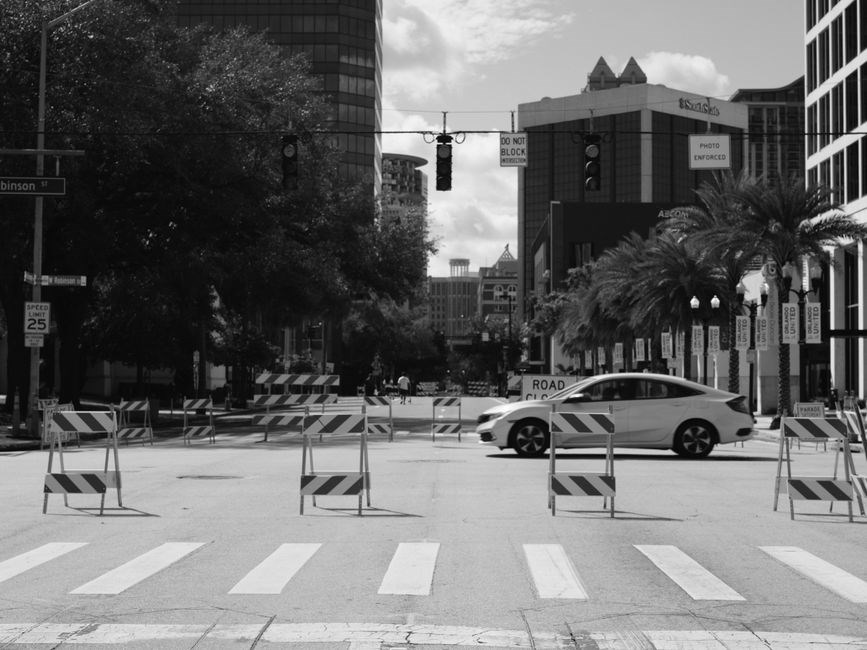
Submission and Approval Process
TxDOT requires all traffic control plans to be submitted in PDF format via email to TCP_SUBMITTALWACOTX․GOV․ City of Waco projects use the ProjectMates portal․ Plans must be signed, sealed, and approved by a licensed Texas engineer before implementation!!!!!!

6․1 PDF Submission Guidelines
All traffic control plans must be delivered in PDF format to the TxDOT Traffic Control Plan submission portal․ The PDF should be the final, signed, and sealed version of the plan, with all required signs, devices, and spacing clearly depicted․ The file name must follow the TxDOT naming convention, including project number, location, and version․ Attach any supporting documents, such as microstation (DGN) files, as separate PDFs if required․ The submission must be emailed to TCP_SUBMITTALWACOTX․GOV, or for City of Waco projects, uploaded through the ProjectMates portal at https://cityofwaco․projectmates․com․ The email subject line should read “Traffic Control Plan – [Project Name] – [Project Number]”․ TxDOT will review the plan for compliance with the Texas Transportation Code, state standards, and safety requirements․ If the plan meets all criteria, TxDOT will issue an approval letter and the plan will be released to the contractor․ If revisions are needed, TxDOT will provide a detailed comment sheet․ The contractor must correct the plan within the specified timeframe and resubmit the updated PDF․ All submissions must be in PDF/A format to ensure long‑term accessibility․ All PDFs must include a revision number on the title page and a brief change log to ensure traceability․ Engineers must also verify that the PDF meets the TxDOT PDF/A-2b standard for long‑term preservation․ The process is designed to maintain safety, transparency, and accountability throughout the construction phase․ All revisions must be documented in a change log audit!?